
Natural Water Harvesting Farm: Sustainable Solutions for India
Posted on November 19, 2025
Water is fundamental to life but in many areas of India this crucial resource is facing escalating pressure from overconsumption, pollution, and climate change. Shifts in rainfall patterns and falling groundwater levels have heightened the urgency of sustainably managing water supply. One of the most promising solutions we see emerging today is the Natural Water Harvesting Farm in India, in which ancient wisdom and modern ecological design come together to reclaim every drop.
What Is Natural Water Harvesting?
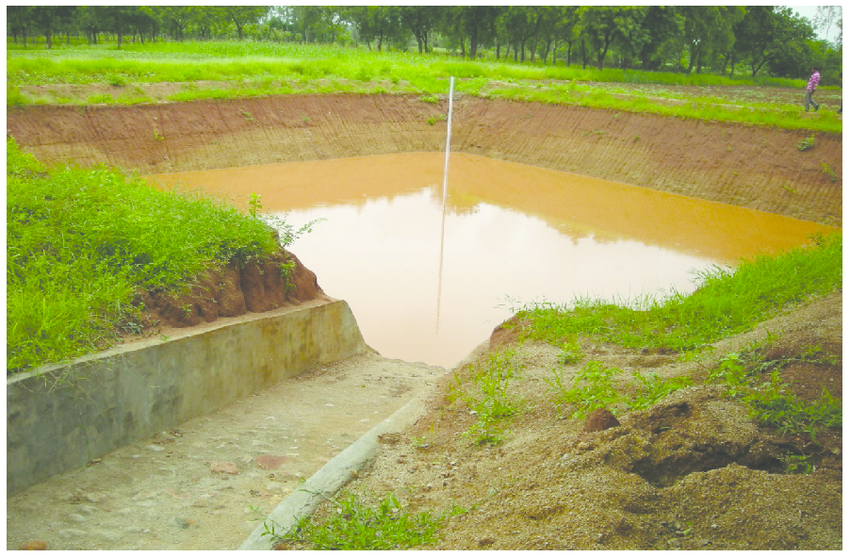
Natural water harvesting Farm refers to using rainwater and surface water runoff by capturing, processing, and managing its various stages for agricultural or domestic use. It is an ancient concept; for centuries India has relied on natural water harvesting, embracing techniques such as ponds, tanks, step wells, and earthen dams. New-age natural water harvesting farms are bringing back these ancient technologies and integrating them with regenerative farming and permaculture ethics to establish sustainable and autonomous systems.
These farms are harnessing natural water harvesting to reduce reliance on bore wells or canals, while also recharging groundwater, improving soil health, and increasing biodiversity.
Why Water Harvesting Farms Matter in India
Agriculture in India is entirely reliant on monsoons, and they are becoming less reliable. Many areas suffer from water scarcity for months, impacting both crop yield and livelihoods. Water harvesting farms, based on natural methods, are a long-term, sustainable method of dealing with these issues.
Key benefits include:
- Groundwater Recharge – Harvested rainwater percolates into the soil, replenishing aquifers and wells.
- Soil Moisture Retention – Healthy soil enriched with organic matter holds more water, reducing irrigation needs.
- Reduced Erosion – Controlled runoff prevents topsoil loss and maintains soil fertility.
- Sustainable Farming – Water-efficient practices lead to better crop yields and less environmental degradation.
- Climate Resilience – Water-secure farms are better equipped to withstand droughts and erratic rainfall.
A Model for Sustainable Water Management
Water conservation is part of all of the features on the property at Mrittika Farms. The farm is designed to use contour bunds, recharge pits, swales, and natural ponds to capture rainwater and store it in the soil to prevent runoff. This soil moisture supports crop growth but also contributes to recharging of the groundwater table. Mrittika Farms provides opportunities for hands-on workshops and tours, where visitors can learn about water-wise farming practices, composting methods, and regenerative design.
How Natural Water Harvesting Farms Work
A Natural Water Harvesting Farm in India typically includes:
- Swales and Contour Bunds: Shallow channels that direct and absorb rainwater.
- Percolation Ponds: Small water bodies that recharge groundwater naturally.
- Check Dams: Barriers built across small streams to slow water flow.
- Mulching and Cover Crops: Reduce evaporation and maintain soil moisture.
- Native Plantation: Trees and shrubs that help prevent erosion and enhance infiltration.
Conclusion
At Mrittika Farms, we know that each drop of water can regenerate life. As a prominent example of a Natural Water Harvesting Farm in India, our activities are guided by harmony with nature collecting rainwater, recharging groundwater, and building fertile soil for generations.
The path to sustainable agriculture begins with awareness and water is where it all starts. By supporting or participating in Mrittika Farms, you are joining a regenerative movement that takes conservation, resilience, and conscious living seriously. Together, we can build a world where every farm in India is a natural water harvesting farm green, sustainable, and full of life.